Why Insulation Isn’t Just About Keeping Your Home Warm
When you think of insulation, you might imagine it just keeping you cozy during those chilly months. Sure, it helps with that, but there's more to the story. Modern insulation isn’t just about warmth; it helps manage cooling costs, cuts down noise, controls moisture, supports healthier indoor air, and boosts the overall performance of your home. Understanding these perks can really change how you look at home upgrades.
Especially in the Midwest, with its humid climates like Indiana’s, insulation works all year long. It keeps your place comfy whether it’s July or January and makes your heating and cooling systems run more efficiently. If you’re thinking about attic insulation or wall insulation, this guide will show you why insulation is a smart building investment, not just a seasonal fix. You might also want to look into spray foam insulation for better air sealing and moisture resistance.
According to the U.S. Department of Energy, insulation is one of the most cost-effective ways to boost your home’s energy efficiency, especially when paired with air sealing and moisture control. So, it’s not just about comfort, but also about practicality. Let’s explore how insulation impacts energy use, noise, moisture, durability, and sustainability, plus what’s happening in the industry today.
The Real Role of Insulation in a Building
Insulation supports the whole building envelope.
Think of insulation as part of a larger system that includes your roof, walls, attic, foundation, air barriers, windows, and mechanical components. When this system works smoothly, it stabilizes indoor conditions and cuts down on energy loss. But if it’s incomplete or poorly installed, even the best insulation can fall short because heat, air, and moisture move through your home in various ways.
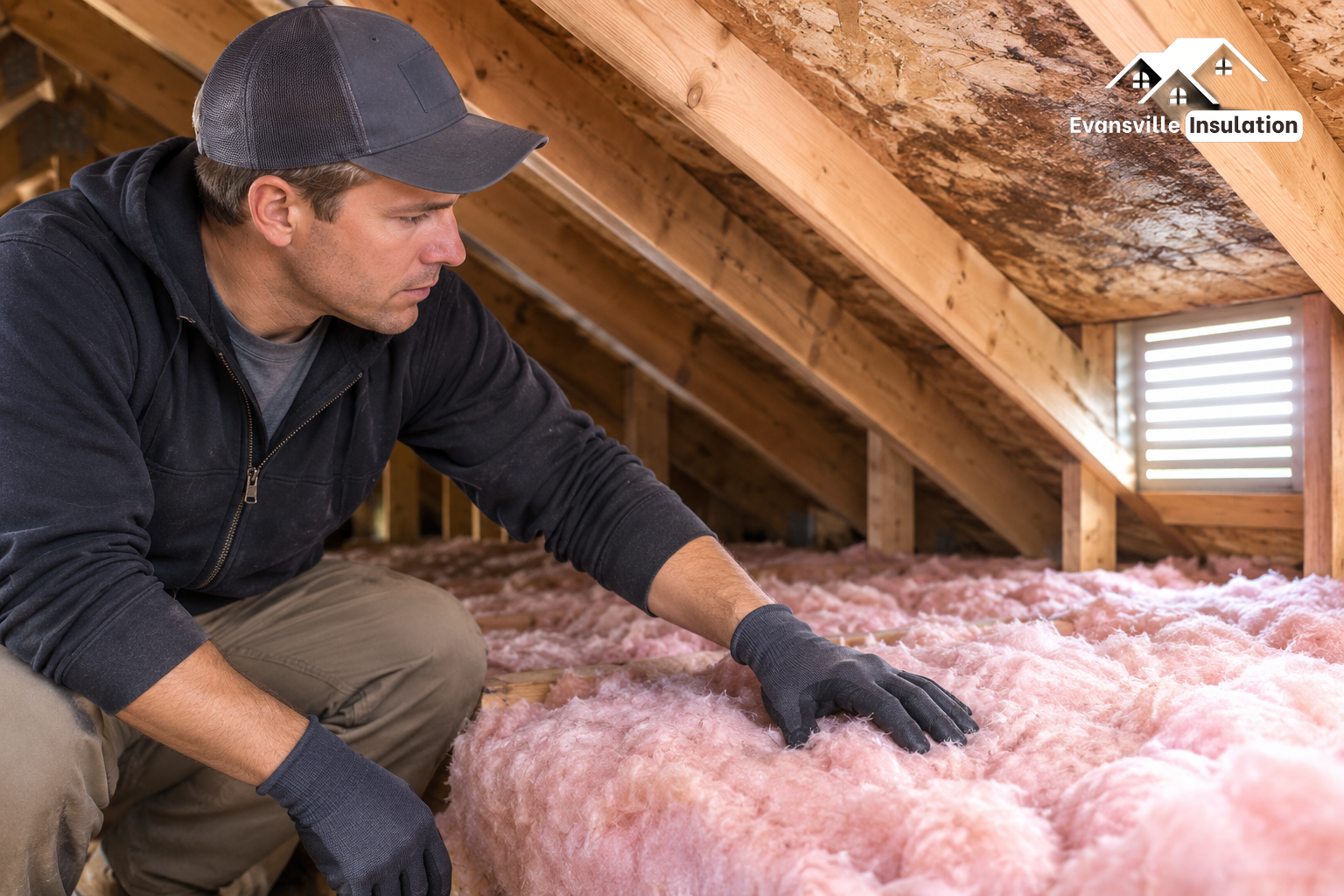
This is why experts talk about the building envelope instead of focusing only on insulation. A well-thought-out envelope limits unwanted heat transfer, reduces drafts, and helps your heating and air conditioning system run more consistently. If, for instance, your attic is under-insulated, it can set off a chain reaction that affects your comfort throughout the home. That’s why services like roof insulation and ceiling insulation can be especially valuable in homes with big temperature swings.
It is not only about winter heat retention.
Insulation works both ways. In winter, it keeps warm air inside, but in summer, it slows down the entry of outdoor heat. This is a big reason why cooling bills can spike in homes with weak attic or roof insulation. When it’s hot, your attic can get extremely warm, and without enough resistance, that heat seeps into the living areas below.
Energy Star highlights that proper insulation can greatly improve comfort and cut utility usage year-round. This is crucial in areas with cold winters and hot summers, where the main challenge is the constant change between them. Even a small upgrade can stabilize temperatures and reduce how often your HVAC system has to kick on.
How Insulation Improves Energy Efficiency and Reduces Costs
Lowering heat loss and heat gain
The most obvious benefit of insulation is reducing the flow of heat. In cold weather, it keeps warmth from escaping; in hot weather, it prevents heat from entering. This resistance directly impacts your energy use because your heating and cooling systems don’t have to work as hard to maintain set temperatures. Over time, this can lower your utility bills and extend the life of your HVAC equipment.
The U.S. insulation market was valued at $12.51 billion in 2023 and is expected to keep growing as more people look for ways to improve building performance. Globally, the insulation industry is expanding due to energy efficiency standards and a push for sustainable construction. A practical example is that many homeowners notice that adding blown-in insulation in an underperforming attic immediately improves comfort and reduces temperature imbalances.
Reducing strain on HVAC systems
When your home loses conditioned air, your HVAC system has to make up for it, leading to longer run times, more wear on components, and higher utility bills. Over time, this can cause breakdowns, short cycling, and uneven temperatures in different rooms. Proper insulation helps stabilize indoor conditions so your system can work more efficiently.
Many homeowners start with insulation improvements along with air sealing and duct evaluations. It’s not enough to just add material and hope for the best; everything has to work together. Often, a professional assessment of the attic, walls, and crawl spaces can show where heat loss is happening and which upgrades will give the best return. For more on building performance related to HVAC, the U.S. Department of Energy Energy Saver resource is a good place to start.
Insulation and Moisture Control: A Critical but Overlooked Benefit
Managing condensation and vapor movement
Moisture is a common threat to building durability. When warm, humid air hits cooler surfaces, condensation can form. If insulation is poorly installed or missing, moisture can collect inside walls, around pipes, or near roof decking, which may lead to mold, rot, and degraded performance over time.
Modern insulation systems often combine thermal resistance with vapor barriers, reflective facings, and air sealing. This layered approach helps control moisture movement more effectively than insulation alone. This is especially important in regions with humid summers and cold winters. In such conditions, spray foam insulation can offer both insulation value and air sealing, reducing moisture intrusion pathways.
Protecting pipes, ducts, and vulnerable assemblies
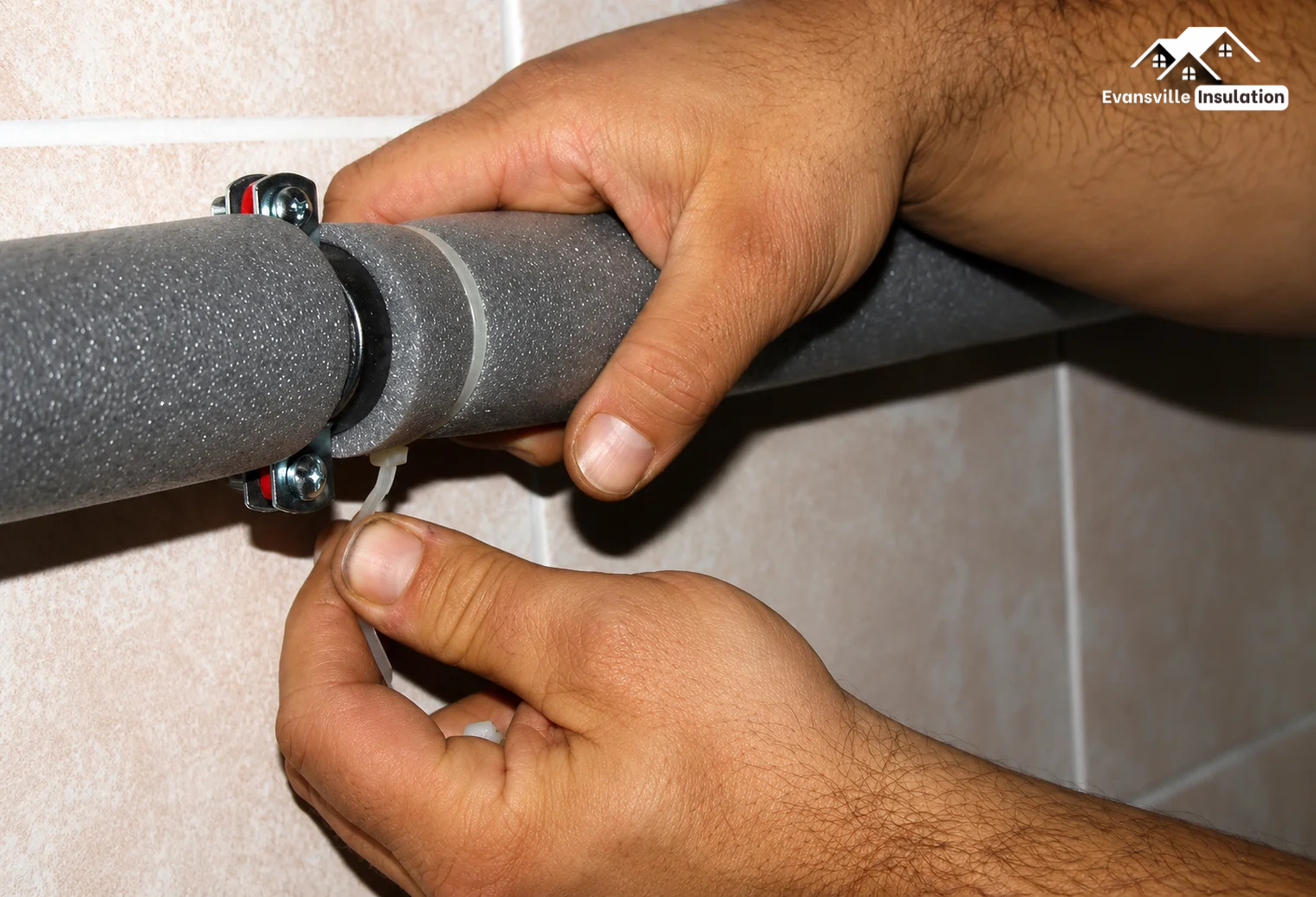
Insulation isn’t just for living spaces. Pipes and mechanical systems also need protection against heat loss, freezing, and condensation. That’s why pipe protection services matter in both homes and commercial spaces. Well-insulated pipes can reduce energy waste while protecting your building from costly water damage.
If you’re worried about exposed lines, pipe wrapping and pipe boot insulation can help stabilize vulnerable areas. This detail work is crucial in older buildings, garages, and utility spaces where temperature swings are more dramatic. For more on moisture and mold risk, check out the EPA mold guidance for tips on prevention and indoor air quality.
Why Insulation Matters for Sound, Comfort, and Indoor Quality
Noise reduction is a major quality-of-life benefit.
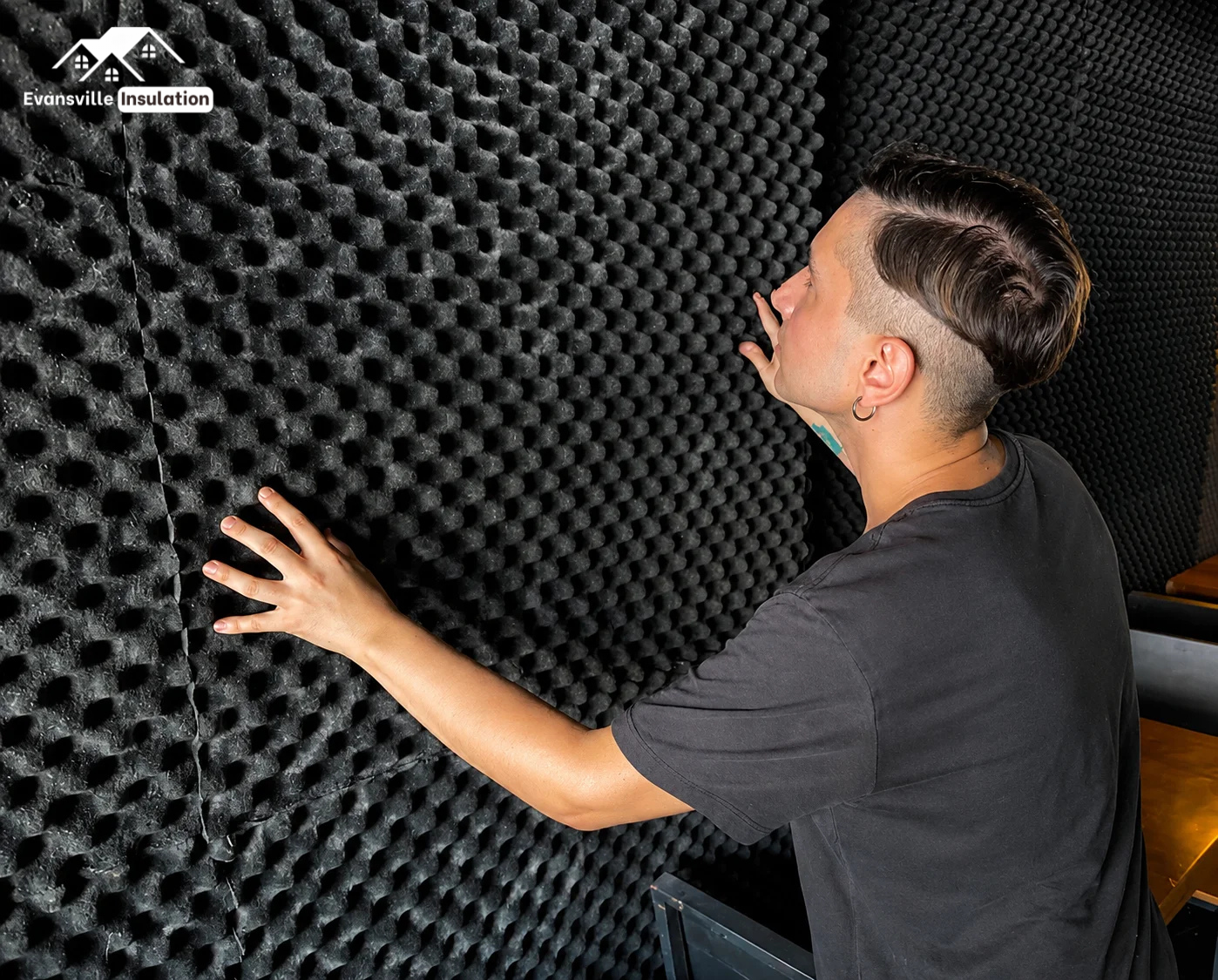
Many people are surprised to learn that insulation also improves acoustics. By reducing sound transmission through walls, ceilings, and floors, it can make a home feel calmer and more private. This matters in bedrooms, home offices, apartment buildings, and commercial properties where noise control affects productivity and comfort. A quieter environment can be just as valuable as a warmer one.
That’s where sound insulation comes in handy. It can soften noise from traffic, appliances, shared walls, and mechanical systems. Homeowners often notice the difference in rooms where children study, people work from home, or neighbors are close by. In commercial settings, sound control can improve the customer experience and help staff concentrate more easily.
Better comfort means fewer hot and cold spots.
Temperature imbalance is a common sign of insulation problems. If one room stays cold while another feels warm and stuffy, the issue may not be the thermostat alone. Uneven insulation coverage, thermal bridging, and air leakage can all create pockets of discomfort throughout the building. That inconsistency is frustrating because it usually means some areas are over-conditioned while others are under-protected.
This is why homeowners often start with the spaces most likely to leak heat, such as attics, exterior walls, and ceilings below unconditioned areas. If you are trying to solve room-to-room differences, ceiling insulation and wall insulation may provide the most noticeable improvement. The goal is not only to raise or lower temperature but to create a steadier environment that feels comfortable all day long.
Current Trends in Insulation Materials and Design
Multi-layer systems are becoming the standard.
One of the biggest changes in the insulation industry is the move toward multi-layer systems. Instead of relying on a single product, modern assemblies often combine batts or loose-fill insulation with vapor barriers, reflective facings, and air sealing components. These combinations help manage thermal resistance and moisture more effectively, especially in demanding climates or metal-building applications.
Industry research shows that these systems are gaining popularity because they solve multiple problems at once. They reduce heat transfer, help control condensation, and improve overall durability. In certain commercial and industrial structures, this can mean fewer maintenance issues and better operating performance. For a broader perspective on building trends and energy use, the North American Insulation Manufacturers Association offers helpful industry resources and technical information.
Reflective coatings and cool roofs are growing in use.
Reflective roof coatings, often called cool roofs, are increasingly used to reduce solar heat gain. These systems reflect more sunlight and absorb less heat, which can lower rooftop temperatures and help indoor spaces stay more stable. In urban areas, they also support efforts to reduce heat island effects, making them relevant to both environmental and operational goals.
This trend is especially useful for large commercial buildings, warehouses, and distribution centers with broad roof surfaces. In one case study from the research provided, a distribution facility saw a 12% drop in peak energy demand after applying a white silicone roof coating to an 80,000-square-foot metal roof. That kind of result shows that insulation strategy now includes roof coatings, not just wall cavities. As a complement to roof improvements, owners can also look at roof insulation for a more complete thermal solution.
Insulated metal panels are changing commercial construction.
Insulated metal panels, or IMPs, are gaining attention in facilities that need tight temperature control and moisture resistance. These panels combine a metal exterior, a rigid foam core, and an interior liner, which creates a strong thermal barrier in a single product. They are often used in refrigerated buildings, food facilities, and other spaces where stable conditions are essential.
IMPs are especially attractive because they simplify installation while improving performance. They can reduce thermal bridging and offer consistent coverage, which supports both efficiency and durability. In the right application, they can outperform older assembly methods and help buildings meet modern energy expectations.
Expert Best Practices That Improve Results
Insulation should work with air barriers and vapor control.
One of the most important professional insights is that insulation should never be treated as a standalone fix. Air barriers stop uncontrolled airflow, vapor control manages moisture movement, and insulation slows heat transfer. When all three components are designed together, the building performs better than it would if each were installed separately without coordination.
This matters because air leaks can significantly reduce effective R-value. Even well-installed insulation may underperform if outside air is moving freely through the assembly. Professionals often begin with a diagnostic review to identify where losses are happening before recommending a product. In many cases, upgrading to fiberglass insulation or blown-in cellulose insulation makes sense when combined with air sealing and a moisture strategy.
Regular audits catch hidden performance problems.
Periodic inspections are one of the best ways to preserve efficiency. Infrared scans can reveal cold spots, missing insulation, and thermal bridging, while blower-door tests help identify air leakage. These tools allow contractors to see the building more objectively instead of guessing where problems are located. That means repairs can be more targeted and more cost-effective.
Research in the supplied materials suggests that targeted post-audit repairs can reduce HVAC energy use by 12% to 18% within six months. That is a meaningful improvement for any property owner, especially when utility costs are rising. If you suspect your home or building is underperforming, a review of the attic, walls, and roof should be a priority before replacing more expensive equipment. The National Renewable Energy Laboratory publishes building efficiency research that reinforces the value of whole-building diagnostics.
Real-World Examples That Show the Value of Better Insulation
Commercial retrofits can deliver measurable savings.
One example from the research involved a logistics center near the Houston Ship Channel that upgraded to a two-layer insulation system with reflective facing. After the retrofit, cooling costs dropped by 26%, and the facility also qualified for an energy-efficiency tax deduction. While every building is different, this example shows that strategic insulation choices can produce financial returns beyond utility savings alone.
Commercial owners often focus first on equipment, but the envelope can be just as important. When the envelope reduces heat gain and stabilizes interior temperatures, the HVAC system can perform more efficiently. That creates a better work environment and may help preserve costly equipment and inventory. For buildings with large roof surfaces, combining envelope upgrades with blown-in insulation can help close gaps that are hard to address with rigid products alone.
Residential projects can improve both comfort and livability.
Homeowners usually notice benefits in simple, everyday ways. A room that used to feel cold in the morning may become usable all day. The upstairs bedroom may no longer overheat in the afternoon. Noise from the street, neighbors, or the garage may become less noticeable. These benefits improve quality of life, even if the initial goal was simply to lower a utility bill.
For homes with older or incomplete insulation, the best starting point is often the attic and exterior walls. If the house has a lot of drafty spaces or hard-to-reach cavities, a contractor may recommend a blend of loose-fill cellulose, fiberglass batts, or spray foam depending on the assembly. The right approach depends on existing conditions, accessibility, moisture risk, and the overall performance target.
How to Know Whether Your Insulation Needs Attention
Look for warning signs in daily life.
Some insulation problems are obvious, while others are easy to miss. Uneven room temperatures, drafty corners, high heating or cooling bills, and noisy indoor spaces all suggest that the current system may not be doing enough. Ice dams, condensation on windows, or musty odors can also point to moisture and thermal issues in the envelope.
These signs often appear gradually, which is why they are easy to ignore. But over time, inefficiency adds up. If your HVAC system seems to run constantly or certain spaces never feel quite right, insulation should be part of the troubleshooting process. In many homes, the issue is not a single failure but a collection of small weaknesses across the building.
Schedule a professional evaluation before upgrading.
Before choosing products, a professional assessment can help identify the root cause. A good audit should look at insulation depth, coverage gaps, air leakage, moisture concerns, and the condition of nearby building materials. It should also consider how the building is actually used, since a workshop, office, and family home all have different comfort needs.
If you are in a climate with hot, humid summers and cold winters, this step is especially important because the wrong upgrade can create moisture problems. That is why thoughtful planning matters as much as the insulation itself. For homeowners in the area, exploring local options like attic insulation can be a smart first step toward a more balanced and efficient building.
Why Insulation Matters for Sustainability and Long-Term Value
Efficiency supports lower emissions and resource use.
Insulation is one of the simplest ways to reduce energy waste, and that has environmental benefits as well as financial ones. When a building uses less heating and cooling energy, it typically places less demand on fuel and electricity systems. Over time, that can support lower emissions and better resource management, especially when improvements are made across many homes and commercial buildings.
The International Energy Agency has repeatedly emphasized the importance of efficiency measures in meeting long-term climate and energy goals. Insulation is a foundational part of that strategy because it delivers savings continuously, year after year. It is not a one-time technology trend; it is a lasting improvement to how a building functions.
Better performance can help preserve property value.
Comfort, quiet, efficiency, and moisture control all contribute to property value in different ways. Buyers and tenants increasingly pay attention to utility costs and indoor comfort, especially when they compare older buildings with newer, better-sealed properties. Well-insulated buildings are also easier to market because they often feel better during a walkthrough.
That is true for both residential and commercial spaces. A building with improved thermal performance may also experience fewer maintenance issues, less HVAC stress, and better occupant satisfaction. Those benefits can make the property more attractive over time and support stronger long-term returns on the original investment.
Frequently Asked Questions About Insulation
Does insulation only matter in winter?
No. Insulation helps slow heat transfer in both directions, so it supports winter heating and summer cooling. It also improves comfort, moisture control, noise reduction, and HVAC efficiency throughout the year.
What type of insulation is best?
The best type depends on the building, the space being insulated, moisture conditions, and performance goals. Fiberglass, cellulose, and spray foam all have strengths. A qualified contractor can help match the product to the application and avoid common installation mistakes.
How often should insulation be inspected?
It is a good idea to inspect insulation whenever there are signs of drafts, high utility bills, or uneven temperatures. A formal audit every few years is especially helpful for older buildings, properties with prior water damage, or spaces that have undergone remodeling.
Conclusion: Insulation Is a Building Performance Upgrade, Not Just a Winter Fix
Insulation is one of the most valuable upgrades a building can have because its benefits reach far beyond staying warm. It improves comfort, lowers energy use, protects against moisture, reduces noise, and helps HVAC systems work more efficiently. It also supports sustainability and can improve the long-term value of a property. In today’s construction and retrofit environment, insulation is not just about temperature; it is about performance.
If you want your home or business to feel more consistent, quieter, and more efficient, it may be time to look at the full building envelope rather than just one room or one season. From roof insulation and attic upgrades to sound control and pipe protection, the right plan depends on how your building is built and how it is used. For expert guidance and service options tailored to your property, contact Evansville Insulation and take the next step toward a more comfortable, durable, and energy-smart building.